
January 19, 2026
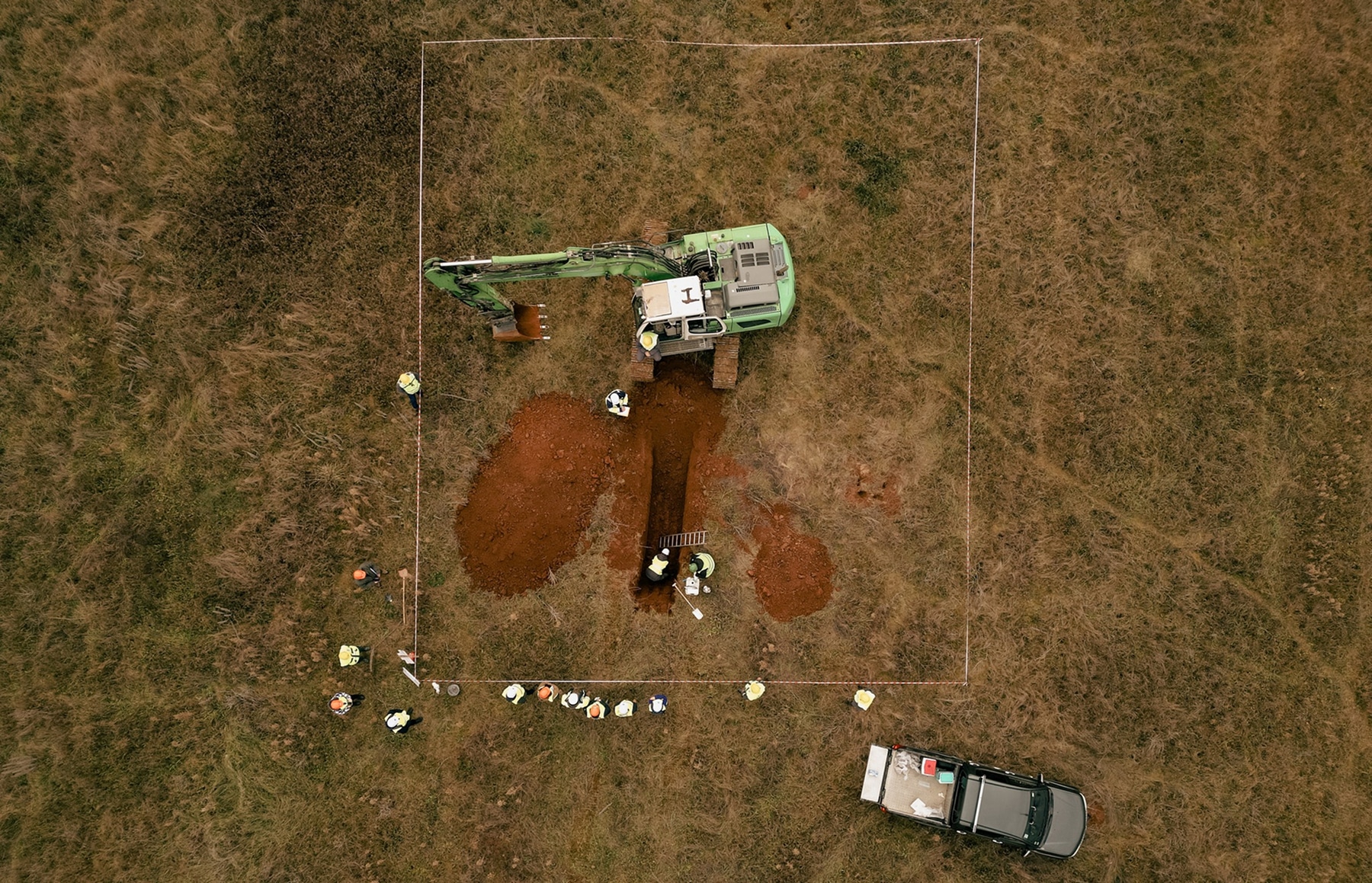
As part of the MCC–Kosovo Compact Agreement, the Ministry of Economy, the Municipality of Ferizaj, and KOSTT have signed the transfer of the land from the Municipality of Ferizaj to KOSTT,
enabling the construction of a Battery Energy Storage System (BESS) on a 2.34-hectare site in Sojevë village. On this site, one of the Battery Energy Storage System (BESS) will be constructed.
The BESS project aims to support Kosovo’s energy security using battery storage systems to provide reserves, improve system availability, and reduce the cost of securing electricity for Kosovo.
The BESS project will provide the necessary flexibility for Kosovo to integrate a broader range of energy sources into the national grid.
KOSTT will be equipped with a battery system with a capacity of approximately 45 MW (90 MWh) for grid balancing and facilitating the integration of various energy sources.
The BESS project for KOSTT will be implemented by Millennium Challenge Account Kosovo (MCA-Kosovo), as the entity responsible for implementing the MCC-Kosovo Compact Agreement,
and upon completion it will be transferred to KOSTT for management and operation.
The BESS project for KOSTT is expected to be completed in February 2029.
Meanwhile, within the framework of the MCC-Kosovo Compact, a BESS project with a capacity of 125 MW (250 MWh) will be implemented in the Municipality of Istog,
which will be transferred to the Energy Storage Corporation (ESCorp).
The BESS project, through the MCC-Kosovo Compact, represents the largest investment in the energy sector in recent decades and the most innovative project in the region.
With a total value of USD 236.7 million—of which USD 202 million is a contribution from the United States of America through the Millennium Challenge Corporation (MCC),
and USD 34.7 million is a contribution from the Government of Kosovo, MCC-Kosovo Compact aims to increase energy security, contribute to poverty reduction, and promote economic growth in the country.